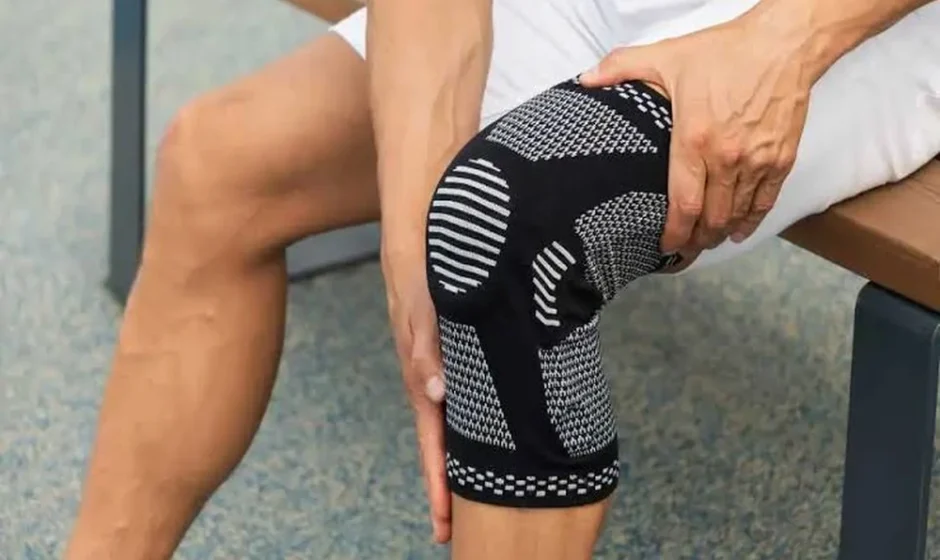

Osteoarthritis is one of the major issues commonly faced by senior citizens nowadays. It is a degenerative joint disease which is characterized by the gradual breakdown of cartilage. It further leads to pain, swelling and reduced mobility. This is mainly due to the bones rubbing with each other constantly. Even daily tasks like walking or even standing become a nightmarish burden.
Although there is no permanent cure to the issue, the right knee cap can make a significant difference. It can help reduce the pain as well as relieve stiffness from the knee joint.
In this guide, we’ll understand what osteoarthritis is, how knee caps can help and the right one for this issue.
Let’s explore!
What Is Osteoarthritis?
Osteoarthritis is essentially wear and tear of the knee joint. The cartilage gradually thins out due to which the bones begin to rub directly against each other. This friction causes deep aches, morning stiffness, swelling and tired knees.
How a Knee Cap Helps In Osteoarthritis?
A knee cap is one of the simplest ways to make the knees feel a bit relaxed. It helps in four main ways:
- Acts like a Tight Hug with Compression
The snug elastic fabric squeezes the tissue around the joint. This compression boosts blood circulation, which naturally reduces fluid buildup as well as swelling and thus eases the deep ache.
- Trap Therapeutic Warmth
Arthritic joint pain can get worse in colder conditions. Knee caps can trap body heat. This warmth relaxes the tensed surrounding muscles and relieves stiffness.
- Takes off the Pressure
Specialized knee caps have built in silicone rings or side hinges. These designs help keep the kneecap tracking in optimal range.
- Positioning Awareness
When cartilage thins out, the knees can feel unstable sometimes. A knee cap wraps tightly around the joint and sends signals to the brain about correct positioning.
Different Types Of Knee Caps For Osteoarthrities
| TYPE | STABILITY LEVEL | HOW IT WORKS | RECOMMENDED FOR |
|---|---|---|---|
| Closed-Patella Sleeve | Low (Flexible) |
Uniform compression and warmth | Mild arthritis & general stiffness |
| Open-Patella Support | Moderate (Centered) | Cutout stabilizes the kneecap | Pain directly under the kneecap |
| Hinged Knee Brace | High (Rigid) |
Side joints prevent side-to-side twisting | Moderate arthritis & structural wobble |
| OA Unloader Brace | Maximum (Mechanical) | Shifting weight to the healthier side | Severe arthritis on one side of the joint |
Which One To Choose Among Them?
You can choose the knee cap for pain relief based on the symptoms of your discomfort as:
- Best for Mild Arthritis & Daily Stiffness
A basic elastic or neoprene compression sleeve is best. It applies uniform pressure to reduce swelling and traps natural body heat.
- Best for Kneecap Pain & Mild Instability
A brace with an open cutout in the front. The opening relieves direct pressure on the kneecap so it doesn’t rub against the joint, while built in rings help keep the kneecap tracking in a straight line.
- Best for Moderate to Severe Pain
A medical device called an Unloader brace is a rigid as well as lightweight frame that applies a gentle physical push to mechanically shift the body weight away from the painful side of the joint to the healthier side.
The Right Way To Choose Sizing is EverythingA sleeve that is too tight can cut off blood circulation and worsen swelling, while a loose one will slip down constantly and offer zero support.Fabric ChoicesCompare breathable cotton-knit (best for hot weather and everyday wear) and thick neoprene (best for trapping maximum heat and heavy compression, but can cause sweating).Ease of Putting It OnIf you have severe arthritis in hands or fingers, pulling a tight, elastic sleeve up over their foot can be incredibly painful. Then wrap around velcro designs are highly recommended.Expert Tips for Safe Use
- Only wear it when moving
It is recommended that you should only wear a knee cap when walking, exercising or standing for long periods. Always remove it while resting.
- Avoid muscle weakness
Keeping a knee cap for prolonged time causes your leg muscles to rely on the brace and grow lazy. This leads to muscle thinning and weakness, which actually makes arthritis worse.
- Combine with movement
A knee cap should be paired with low impact leg exercises to keep the surrounding muscles strong enough to protect your joints naturally.
Wrapping Up
High quality knee caps are one of the best, cheapest and effective early arthritis preventive tools. But, there isn’t a single best knee cap for pain relief, it is highly governed by the symptoms and level of pain experienced. A right knee cap with proper fit and support can help to ease the arthritic discomfort.
Opt for a simple compression sleeve for daily stiffness or go for an open patella design if your kneecap needs extra tracking support. Although it isn’t an ultimate solution to the underlying issue, yet it can be a useful addition in your day to day life.