
You sit in the dental chair, the light comes on, and your body reacts before your mind catches up. Your hands tense. Your jaw tightens. Even a routine visit with a dentist in Garland can feel bigger than it is, especially if past appointments were uncomfortable or confusing. A lot of dental anxiety starts there, in the gap between what the dentist sees and what you feel. If you do not know what is happening in your mouth, it is easy to imagine the worst.
That is where intraoral cameras can change the tone of the visit. Instead of asking you to trust a description you cannot verify, your family dentist can show you clear images of your teeth and gums in real time. You see what they see. That simple shift often turns fear into understanding, and understanding into relief. Dental camera technology for anxious patients does not remove every nerve, but it gives you something solid to hold onto when your thoughts start racing.
Dental anxiety often grows in the absence of clear information
Anxiety feeds on uncertainty. The National Institute of Mental Health explains that anxiety disorders can involve intense worry, physical tension, and a sense of dread that feels hard to control. If that sounds familiar, you are not overreacting. You may hear a dentist mention a crack, a suspicious spot, or early gum irritation, and your mind jumps straight to pain, cost, or bad news. You are trying to protect yourself.
Traditional exams can leave room for that spiral. The dentist looks, makes notes, and explains findings with terms that may not mean much in the moment. You nod, but you are still trying to picture what they mean. Is that dark area a stain or decay? Is the gum issue mild or serious? If you have ever left an appointment thinking, “I wish I could have seen it for myself,” that feeling makes sense.
Intraoral cameras close that gap. These small handheld cameras capture detailed images inside your mouth and display them on a screen. You can see a worn filling, plaque buildup near the gumline, a chipped edge, or a sore area on soft tissue. A problem becomes specific instead of vague. A recommendation starts to feel reasonable instead of alarming.
Seeing your mouth on screen builds trust and lowers fear
People tend to calm down when they understand what is happening. In a dental setting, that often means visual proof. When your dentist points to an image and explains, “This is the area I want to watch,” or “This is why that tooth feels sensitive,” the conversation changes. You are no longer guessing. You are part of the exam.
This matters even more when the concern involves soft tissue changes or screening for serious conditions. The National Institute of Dental and Craniofacial Research explains what happens during an oral cancer exam, and visual tools can support that process by helping patients understand why a spot, lesion, or change in tissue deserves attention. If a provider says they want to monitor or investigate an area, seeing it yourself can make the next step feel less abstract and more necessary.
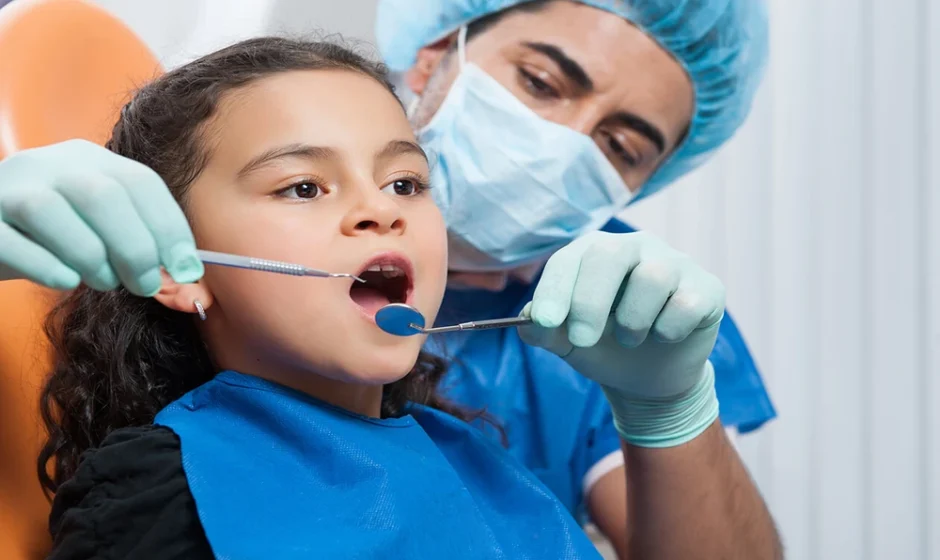
Intraoral cameras for patient comfort also help with smaller concerns that still carry emotional weight. A child who fears “the big tools” may relax when the first step is simply taking pictures. An adult who has avoided care for years may feel less judged when the focus is on images and facts, not on shame. A person on a tight budget may appreciate seeing which issue needs treatment now and which one can be watched.
Visual exams make treatment decisions feel more manageable
Fear is not only about pain. It is also about loss of control. If a dentist recommends treatment and you do not fully understand why, the cost can feel heavier and the decision can feel forced. Clear images give context. You can compare a healthy tooth to one with decay. You can see inflammation around the gums. You can understand why waiting may lead to a larger problem later.
That kind of transparency matters when discussing conditions that range from common cavities to more serious oral health risks. The NIDCR overview of oral cancer shows why early attention to unusual changes in the mouth matters. No image should be used to frighten you. It should be used to inform you, so you can make a decision with your eyes open.
| Without Intraoral Camera Images | With Intraoral Camera Images |
|---|---|
| You rely only on verbal explanations | You see the exact area being discussed |
| Problems can feel vague or exaggerated | Findings feel concrete and easier to understand |
| Treatment recommendations may feel abrupt | Recommendations connect to visible evidence |
| Anxiety can rise when you imagine worst case scenarios | Anxiety often drops when uncertainty is reduced |
| It is harder to track changes over time | Images can help compare past and current conditions |
Small steps can make a family dentist visit feel safer
1. Ask to see the images during the exam.
You do not need to wait for a full explanation at the end. Ask your family dentist to show you what they are seeing as they go. Real time visuals can stop anxious thoughts before they build momentum. This also gives you a chance to ask simple questions in the moment, when the image is right in front of you.
2. Tell the team what triggers your anxiety.
Be direct. Say if you fear bad news, needles, pain, cost, or feeling rushed. If your anxiety is strong, say that too. Many people deal with this, and naming it helps the dental team adjust their pace and communication. A family dentist who knows your concerns can use visual tools more thoughtfully and explain findings in a way that feels calmer.
3. Use the images to plan, not panic.
If the camera reveals a problem, ask what needs care now, what can be monitored, and what each option means for comfort and cost. That turns the visit into a plan instead of a threat. For many patients, patient reassurance with intraoral cameras comes from this exact moment, when the unknown becomes a list of clear next steps.
Comfort grows when you can see, understand, and choose
Dental fear does not always disappear in one appointment. It often softens in layers. You feel heard. You see what is happening. You understand why treatment is suggested. That is how trust grows. From Anxiety To Comfort: How Intraoral Cameras Reassure Patients is not just a catchy idea. It reflects a real shift in care, one where information is shared instead of guarded and where reassurance comes from clarity, not pressure.
If dental visits have felt hard, you are not broken and you are not alone. A family dentist who uses visual tools can help make the experience feel more grounded, more respectful, and easier to face the next time you sit in that chair.