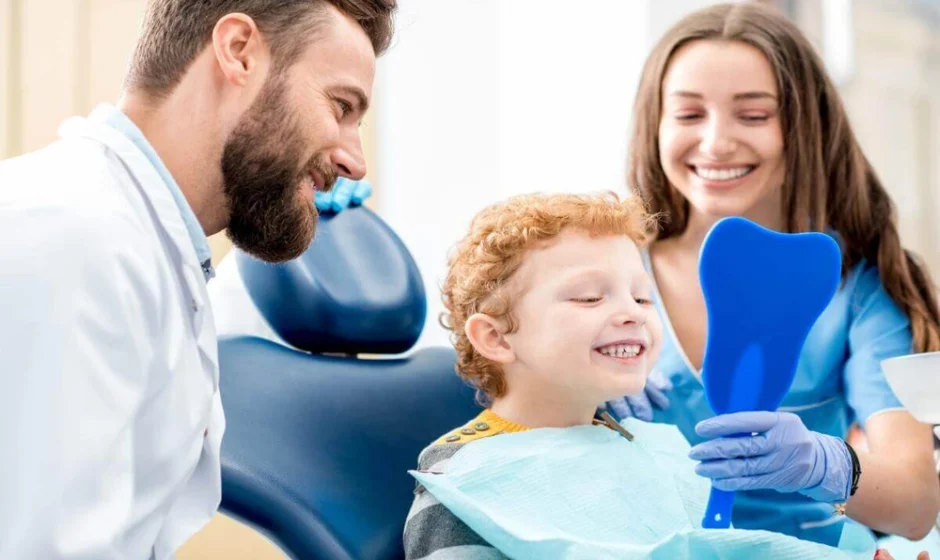

Managing dental care for a whole family can feel like a stack of small jobs that never stays small. One child needs a cleaning, another needs X rays, you are trying to remember who had a filling last year, and someone always asks for records right when you are already short on time. That kind of juggling wears people down, which is why many families look for comprehensive dental care in North Attleborough.
Keeping everyone’s dental history in one office cuts through a lot of that stress. When one general and family dentist has a clear record of past exams, treatments, habits, and concerns, care gets more consistent, appointments get easier to manage, and problems are often caught sooner. You spend less time repeating details and more time getting care that fits your family.
One dental practice gives your family a clearer long term picture
Dental care works best when it builds over time. A single office can track changes in gum health, cavity patterns, bite issues, grinding, and past reactions to treatment. Those details matter. If your child had early enamel wear at age eight, or you had gum inflammation that improved after a change in home care, that history helps shape smarter decisions later.
When records are scattered across offices, those patterns can get missed. A new provider may only see one moment, not the full story. That can lead to repeated X rays, repeated questions, or treatment plans based on partial information. Keeping a family dental history in one practice lowers that risk.
Consistency helps catch problems earlier
A dentist who sees your family over the years learns what is normal for each person. That makes subtle changes easier to spot. A small shift in gum tissue, a crack that was not there six months ago, or a child’s bite moving off track can stand out faster when the provider already knows the baseline.
Early detection often means simpler treatment. A small cavity is easier and less costly to treat than a toothache that turns into an infection. Gum disease is easier to manage before bone loss starts. The CDC’s oral health overview connects oral health with overall health, which makes routine tracking even more useful. Your mouth is not separate from the rest of your body, and your records should not be handled like they are.
Shared records reduce errors and repeated treatment
You should not have to remember every sealant, crown, allergy, or past concern on the spot. In real life, people forget. If one office already has that information, the chance of confusion drops. That matters when a teen had orthodontic work, a parent has medication related dry mouth, or a younger child was anxious during a past procedure and needed a different approach.
It also helps avoid doing the same thing twice. Duplicate imaging, repeated charting, and unnecessary referrals can add cost and frustration. One office with one full record creates continuity, and continuity supports safer care.
Family scheduling becomes far more manageable
Most families do not struggle with dental care because they do not care. They struggle because life is crowded. Work, school, sports, sick days, and errands leave very little room for extra appointments in extra places. Keeping everyone at one practice makes coordination easier, and that often means care actually happens on time.
Many offices can group visits on the same day or close together, which saves hours over the course of a year. That convenience does more than protect your calendar. It reduces missed cleanings, delayed follow ups, and the slow build of avoidable problems.
Children benefit when dental care feels familiar
Kids notice more than adults think. They remember the waiting room, the hygienist who explained things gently, and whether the visit felt calm or rushed. Seeing the same team over time can lower anxiety, especially for children who were nervous from the start.
That familiarity also helps the dental team teach good habits in a way that sticks. A provider who has watched your child grow can tailor advice to that child’s stage, whether the issue is thumb sucking, braces, sports guards, or brushing habits. This is one of the strongest benefits of one dentist for the whole family. Trust builds slowly, and it pays off for years.
One practice can connect oral health patterns across generations
Some dental issues run in families. That does not mean they are guaranteed, but it does mean a provider may watch more closely for patterns like gum disease, crowding, weak enamel, or frequent decay. According to the National Institute of Dental and Craniofacial Research report on oral health in America, oral disease remains common across the lifespan, and prevention depends heavily on access, continuity, and early care.
When one practice treats parents and children, those clues are easier to notice. That can lead to earlier prevention, better home care guidance, and fewer surprises.
Centralized dental records often save money and time
Scattered care can cost more than people expect. Record transfer fees, repeated diagnostics, missed trends, and delayed treatment all add up. One office with complete records can usually move faster and with more confidence. That saves time at the front desk, in the chair, and during treatment planning.
| Situation | Records in One Practice | Records Split Across Offices |
|---|---|---|
| Routine cleanings | Past notes, X rays, and risk factors are already on file | History may need to be retold or transferred |
| New cavity or gum issue | Provider can compare with prior exams quickly | Baseline may be missing or incomplete |
| Family scheduling | Appointments can often be grouped together | Multiple calendars and offices to manage |
| Children with anxiety | Familiar staff and routines can reduce stress | New settings may increase fear and resistance |
| Treatment planning | Decisions reflect long term patterns | Decisions may rely on snapshots |
Simple steps help you keep dental care organized
Choose one home base for routine care. If your family has been using different offices for convenience, pick one dental practice for exams, cleanings, and long term recordkeeping. Specialists can still be part of the picture, but your main office should hold the full story.
Request and consolidate past records. Ask prior offices to send X rays, treatment notes, and recent exams. This step is especially useful if anyone in your family has crowns, implants, orthodontic history, gum issues, or dental anxiety that shaped past care.
Book preventive visits before problems force the schedule. Set the next round of appointments before you leave the office. Preventive care is easier to keep than urgent care is to squeeze in, and a steady schedule gives your dentist the consistent history that makes keeping dental records in one office so effective.
Dental care feels less overwhelming when it is organized, familiar, and built around real continuity. One trusted practice cannot remove every hassle from family life, but it can remove a lot of the avoidable ones. If you want steadier care, fewer gaps, and a simpler way to manage your family’s oral health, start by keeping everyone’s history in one place.