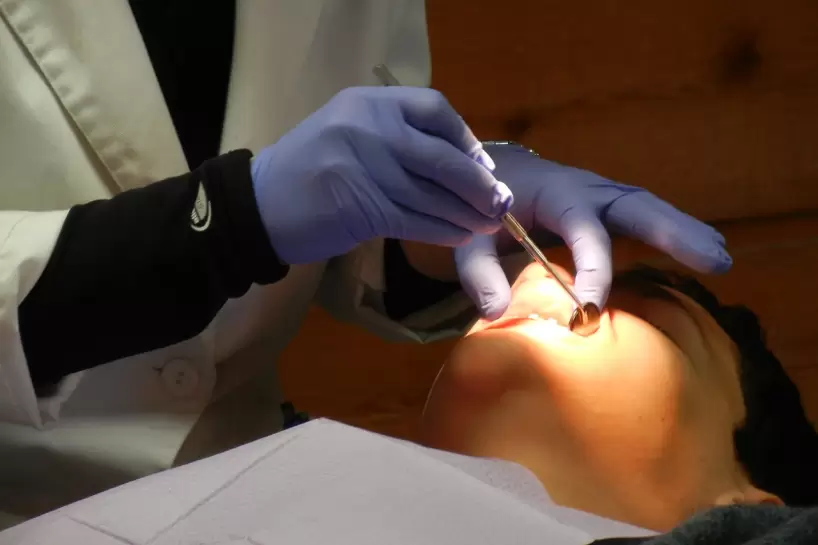

In a city where dental care is abundant, many people seek to treat root canals NYC, yet few fully understand the symptoms that lead to this intervention or the process itself. This article provides a comprehensive guide to recognizing root canal symptoms, understanding the process, and what to consider when choosing a dentist for this procedure.
Common Root Canal Symptoms
Root canal symptoms can vary, but some common signs indicate that the tooth may be damaged or infected and could require root canal treatment.
Sensitivity to Hot, Cold, or Pressure
If a tooth becomes increasingly sensitive to hot or cold temperatures or pressure, it could be a sign of nerve damage. This sensitivity may persist for longer periods and be accompanied by throbbing pain.
Tooth Discoloration and Darkening
Tooth discoloration may signify internal pulp deterioration. This discoloration occurs as a result of the breakdown of tissue within the tooth.
Swollen, Tender, or Bleeding Gums
Infected teeth can cause swelling, tenderness, or bleeding in the surrounding gums. These symptoms could suggest an infection or abscess, has spread beyond the tooth, and it needs to be treated quickly.
Chipped or Cracked Teeth
Chips or cracks in the teeth can expose the sensitive pulp inside, leading to infection. These fractures can result from trauma, decay, or wear and tear.
Nerve Damage from Sinus Infection
Sinus infections can sometimes cause nerve damage, resulting in similar symptoms to those of a tooth infection. The discomfort from a sinus infection may be mistaken for a toothache, but it’s important to rule out both possibilities.
Unexplained Dental Pain (Idiopathic Causes)
Sometimes, dental pain can occur without a clear cause. This unexplained pain may develop into a more consistent ache, potentially signaling the need for root canal therapy.
Root Canal Process
Root canal treatment is a procedure designed to eliminate infection within a tooth, protect it from further damage, and restore its function.
Root Canal Therapy Steps
-
Diagnosis and Evaluation
X-rays are often taken to confirm the extent of the infection or damage and determine the best approach for treatment.
-
Anaesthesia
Local anaesthesia is applied to the affected area to numb the tooth and surrounding tissues, ensuring the patient remains comfortable throughout the procedure.
-
Cleaning and Shaping the Canals
The infected pulp is removed, and the tooth is cleansed and readied for obturation. This step ensures all bacteria and debris are eliminated.
-
Filling the Canals
The conduits are obturated with a substance to forestall sepsis and ensure occlusion..
-
Restoration
A crown or filling is placed over the treated tooth to restore its strength and functionality and protect it from future damage.
Before and After Root Canal Treatment
Before the procedure, a person may experience considerable discomfort due to an infected or damaged tooth. After root canal therapy, most patients find that their pain diminishes, and the tooth can function normally again. The treated tooth may require a crown or other restorative work to ensure it remains strong and durable.
Do Root Canals Hurt?
Thanks to advancements in dental anesthesia, most patients report feeling little to no discomfort during the treatment. Any post-treatment discomfort can usually be managed with over-the-counter pain medications and typically subsides within a few days.
Dentist for Root Canal in New York City?
When selecting a dentist for root canal treatment in New York City, patients should consider several factors to ensure they receive the best care:
-
Experience and Specialization
Look for a dentist who has extensive experience performing root canals or a specialist (endodontist) who focuses on this area of dental care.
-
Patient Reviews and Testimonials
Reading reviews and testimonials can provide insight into the dentist’s professionalism, patient care, and success rates with root canal procedures.
-
Technology and Facilities
Choose a dentist who uses advanced diagnostic tools and modern technology for root canal treatments, as this can improve the procedure’s success rate and overall experience.
Conclusion
Timely identification of symptoms can avert further complications and facilitate proper treatment. By understanding the process and choosing the right dentist, patients in treat root canals NYC can successfully undergo root canal treatment with minimal discomfort and excellent results.