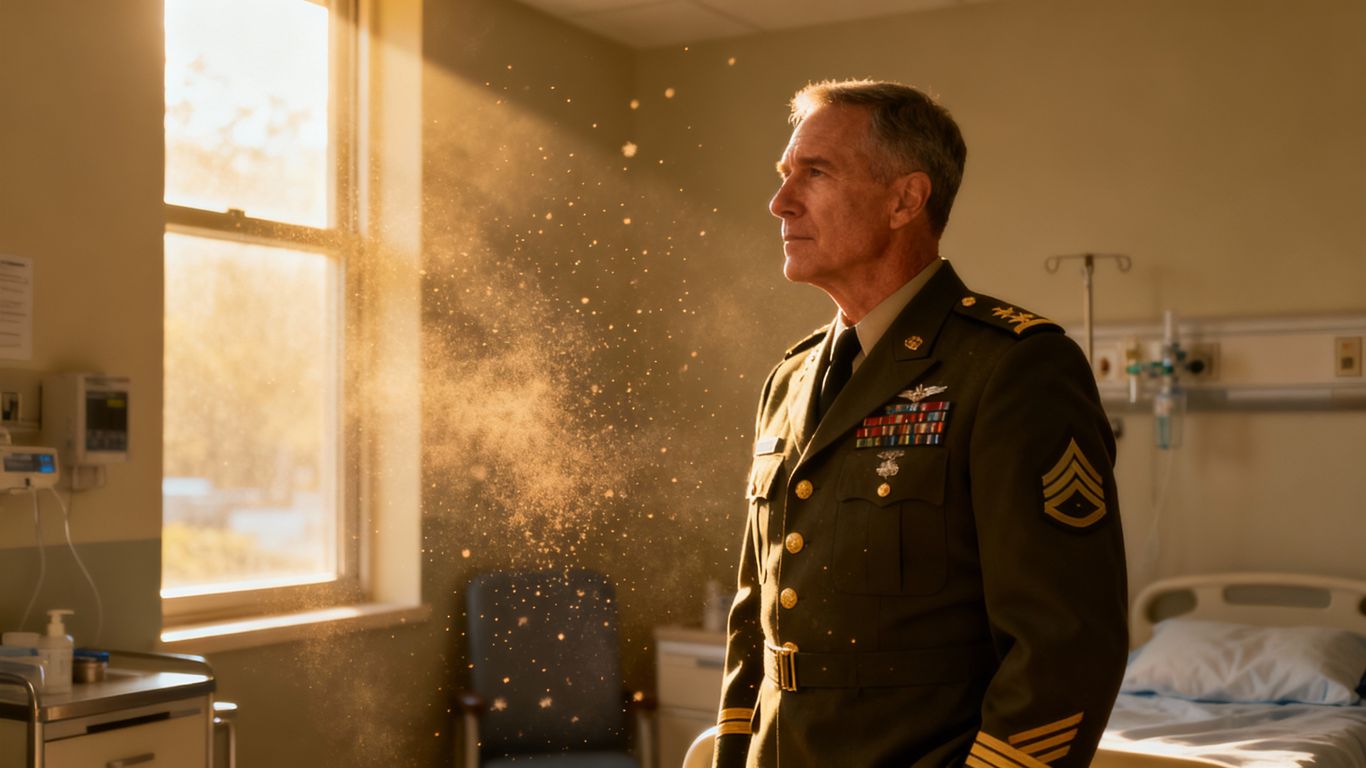

Mesothelioma is a serious disease that affects many veterans. It’s a type of cancer that develops in the lining of the lungs, abdomen, or heart. The primary cause of mesothelioma is exposure to asbestos fibers.
What Is Mesothelioma?
Mesothelioma is a rare but aggressive cancer. It starts in the mesothelium, a thin membrane that protects most of the body’s internal organs. The most common form is pleural mesothelioma, which affects the lining of the lungs. Less common types include peritoneal mesothelioma (lining of the abdomen) and pericardial mesothelioma (lining of the heart).
The Link Between Military Service and Mesothelioma
Many veterans are at a higher risk for developing mesothelioma. This is because asbestos was widely used in military construction and equipment for decades. From ships and barracks to vehicles and protective gear, asbestos was everywhere. Veterans diagnosed with mesothelioma are often eligible for VA benefits because of this direct link to service-related exposure. The Department of Veterans Affairs recognizes this connection and provides specific support for those affected.
Asbestos Exposure in the Military
Asbestos was valued for its heat resistance and insulating properties. It was used in:
- Shipbuilding and repair
- Engine rooms and boiler rooms
- Aircraft manufacturing and maintenance
- Construction of bases and buildings
- Insulation for pipes and machinery
When asbestos-containing materials were disturbed, tiny fibers could become airborne and inhaled or ingested. These fibers can lodge in the body and cause inflammation and scarring over time, eventually leading to cancer. The long latency period means that symptoms may not appear for 20 to 50 years or even longer after exposure. If you believe your military service involved asbestos exposure, you can find more information on VA benefits.
Causes of Mesothelioma in Veterans
Occupational Asbestos Exposure During Service
Mesothelioma is a serious disease, and for many veterans, the cause is directly linked to their time in the military. The primary culprit is asbestos. This mineral was widely used in the U.S. military for decades because of its heat resistance and insulating properties. Think about shipbuilding, construction, and vehicle maintenance – asbestos was everywhere. Unfortunately, when disturbed, asbestos releases tiny fibers into the air. Inhaling or swallowing these fibers can lead to mesothelioma, a cancer that develops in the lining of the lungs, abdomen, or heart. The connection between military service and asbestos exposure is well-documented. Many veterans were unknowingly exposed to these dangerous fibers during their duties. Understanding this link is the first step in seeking appropriate care and benefits. You can find more information about how asbestos causes this disease at Mesothelioma is primarily caused by asbestos exposure.
Specific Military Roles and High-Risk Environments
Certain jobs and locations within the military put service members at a higher risk for asbestos exposure. For instance, those who worked in naval yards, boiler rooms, engine rooms, and during the construction or repair of military bases were frequently exposed. The Navy, in particular, used vast amounts of asbestos in ships built between the 1930s and the early 1980s. Sailors and shipyard workers often worked in confined spaces where asbestos dust could accumulate and linger. Other roles that involved working with insulation, brake linings, or fireproofing materials also carried significant risk. The sheer prevalence of asbestos in these environments meant that exposure was often unavoidable.
The Latency Period of Mesothelioma
One of the most challenging aspects of mesothelioma is its long latency period. This means that the disease often doesn’t show up for many years, sometimes even 40 to 50 years, after the initial asbestos exposure. For veterans, this can mean a diagnosis occurs long after their service has ended. This extended timeframe can make it difficult to connect the illness directly to military service, but the link remains. The asbestos fibers lodge in the body, and over decades, they can cause inflammation and cellular changes that eventually lead to cancer. This slow development is why regular medical check-ups are so important for veterans, especially those who served during periods when asbestos was commonly used.
Recognizing Mesothelioma Symptoms
Mesothelioma, a serious illness often linked to asbestos exposure during military service, can take many years to develop. Because of this long latency period, symptoms may not appear until decades after exposure. Recognizing these signs is important for veterans who may have served in environments where asbestos was common. Early detection can lead to better management and treatment outcomes.
Common Symptoms of Pleural Mesothelioma
Pleural mesothelioma affects the lining of the lungs. Symptoms can be subtle at first and may be mistaken for other conditions. Some of the more frequent signs include:
- Persistent cough that doesn’t go away.
- Shortness of breath, especially with physical activity.
- Pain in the chest or lower back.
- Unexplained weight loss.
- Fatigue or feeling very tired.
Symptoms of Peritoneal Mesothelioma
When mesothelioma affects the lining of the abdomen, it’s called peritoneal mesothelioma. The symptoms here can differ and often involve the digestive system:
- Abdominal pain or swelling.
- Changes in bowel habits, like constipation or diarrhea.
- Nausea or vomiting.
- Loss of appetite.
- Ascites, which is a buildup of fluid in the abdomen.
When to Seek Medical Attention
If a veteran experiences any of these symptoms, particularly if they have a history of military service where asbestos exposure was possible, it is advisable to consult a healthcare professional. It’s important to mention any potential asbestos exposure to your doctor. They can then perform the necessary tests to determine the cause of your symptoms and discuss potential next steps for diagnosis and care.
Diagnosis and Treatment Options
Diagnostic Procedures for Mesothelioma
Figuring out if someone has mesothelioma usually involves a few steps. Doctors start by asking about symptoms and medical history, especially any past asbestos exposure. Then, imaging tests are common. These can include:
- X-rays: These give a basic look at the chest or abdomen.
- CT scans: These provide more detailed cross-sectional images.
- MRIs: These use magnets to create even more detailed pictures.
To get a definite diagnosis, a biopsy is almost always needed. This means taking a small sample of tissue from the affected area. This sample is then looked at under a microscope by a pathologist. Sometimes, fluid buildup in the chest or abdomen needs to be drained and tested. Getting an accurate diagnosis is the first step toward effective treatment.
Treatment Modalities Available
Once mesothelioma is diagnosed, treatment plans are made based on the type, stage, and the patient’s overall health. The main goals are usually to control the cancer, manage symptoms, and improve quality of life. Treatment options can include:
- Surgery: This might involve removing parts of the lining of the chest or abdomen where the cancer is located. Different surgical approaches exist, depending on how widespread the cancer is.
- Chemotherapy: This uses drugs to kill cancer cells. It can be given before or after surgery, or as the main treatment if surgery isn’t an option.
- Radiation Therapy: This uses high-energy rays to target and kill cancer cells. It’s often used alongside other treatments.
- Immunotherapy: This newer approach helps the body’s own immune system fight the cancer. It’s showing promise for some patients.
Veterans diagnosed with mesothelioma have access to various treatment options, including surgery, chemotherapy, immunotherapy, and radiation therapy. These treatments aim to manage the cancer and improve the quality of life for affected veterans. VA healthcare services are available to help veterans access these treatments.
Palliative Care and Symptom Management
Palliative care is a really important part of mesothelioma treatment, and it’s not just for end-of-life situations. It focuses on relieving symptoms and improving comfort at any stage of the illness. This can make a big difference in how a person feels day-to-day. Common symptoms that palliative care can help manage include:
- Pain
- Shortness of breath
- Fatigue
- Nausea
- Anxiety
This type of care involves a team of specialists who work together with the patient and their doctors. They aim to provide support not just physically, but also emotionally and spiritually. It’s all about making life as good as possible for the veteran while they are dealing with mesothelioma.
Navigating VA Benefits for Mesothelioma
Veterans diagnosed with mesothelioma often face complex challenges, but the Department of Veterans Affairs (VA) provides specific benefits for those whose service caused or worsened their condition. Understanding these benefits and how to access them is a key step for veterans and their families. The VA recognizes mesothelioma as a service-connected disability, meaning it’s presumed to be linked to military service, particularly due to asbestos exposure common in many military roles.
Eligibility Criteria for VA Benefits
To qualify for VA benefits related to mesothelioma, veterans generally need to meet certain service requirements and demonstrate a connection between their asbestos exposure during service and their diagnosis. The primary criteria include:
- Service History: Veterans must have served on active duty, active duty for training, or in the reserves. The VA looks at the length and nature of service.
- Asbestos Exposure: While direct proof of exposure can be difficult due to the long latency period of mesothelioma, the VA presumes that veterans who served in certain roles or on specific ships and bases were exposed to asbestos. This presumption simplifies the claims process significantly.
- Mesothelioma Diagnosis: A confirmed diagnosis of mesothelioma is, of course, required.
Filing a Mesothelioma Claim with the VA
Submitting a claim for mesothelioma benefits involves several steps. The VA aims to make this process as straightforward as possible for veterans dealing with serious illness.
- Gather Documentation: Collect all relevant medical records, including your mesothelioma diagnosis, treatment history, and any records indicating asbestos exposure during your military service. Service treatment records are particularly important.
- Complete VA Form 21-526EZ: This is the primary form for claiming disability compensation. It requires detailed information about your service and your condition.
- Submit Your Claim: Claims can be filed online through the VA’s eBenefits portal, by mail, or in person at a VA regional office. It is often helpful to have assistance from a Veterans Service Officer (VSO) or an accredited representative.
Disability Compensation and Healthcare Services
Veterans with a service-connected mesothelioma diagnosis are typically eligible for significant benefits:
- Disability Compensation: This is a monthly payment based on the severity of the disability. Mesothelioma is often rated at 100% disabling due to its severity and prognosis, meaning veterans receive the maximum monthly compensation.
- Healthcare Services: Veterans can receive medical care for their mesothelioma through the VA healthcare system. This includes diagnosis, treatment, and supportive care, often at no cost to the veteran for service-connected conditions.
- Dependency and Indemnity Compensation (DIC): If a veteran passes away from a service-connected mesothelioma, surviving spouses and dependent children may be eligible for DIC benefits.
It is important for veterans to work with accredited representatives or VSOs to ensure their claims are filed correctly and to receive the maximum benefits they are entitled to. The VA has specific presumptive guidelines for mesothelioma, which can greatly assist veterans in their claims process.
Support and Resources for Veterans
Mesothelioma Support Groups
Veterans diagnosed with mesothelioma often find solace and practical advice through dedicated support groups. These groups connect individuals facing similar health challenges, creating a space for shared experiences and mutual encouragement. Connecting with others who understand the unique journey of a mesothelioma diagnosis can be incredibly helpful. Whether through in-person gatherings, online forums, or phone calls, these communities provide a network of support. You can find many such groups focused on mesothelioma patient needs.
Legal Assistance for Veterans
Given the strong link between military service and asbestos exposure, many veterans pursue legal avenues to seek compensation. This can involve understanding their rights and options regarding claims against asbestos manufacturers or navigating the VA benefits system. Legal professionals specializing in veteran disability claims and mesothelioma cases can offer guidance through this often complex process. They can help veterans understand their eligibility for compensation beyond VA benefits.
Advocacy for Veteran Healthcare
Beyond direct medical treatment and financial aid, advocacy plays a role in improving healthcare for veterans. Organizations and individual advocates work to ensure that veterans receive timely and appropriate care for conditions like mesothelioma. They often focus on raising awareness about the specific health risks faced by service members and pushing for better healthcare policies and access. This advocacy can also extend to ensuring that research into mesothelioma and its treatment continues to advance.
Supplemental Resources