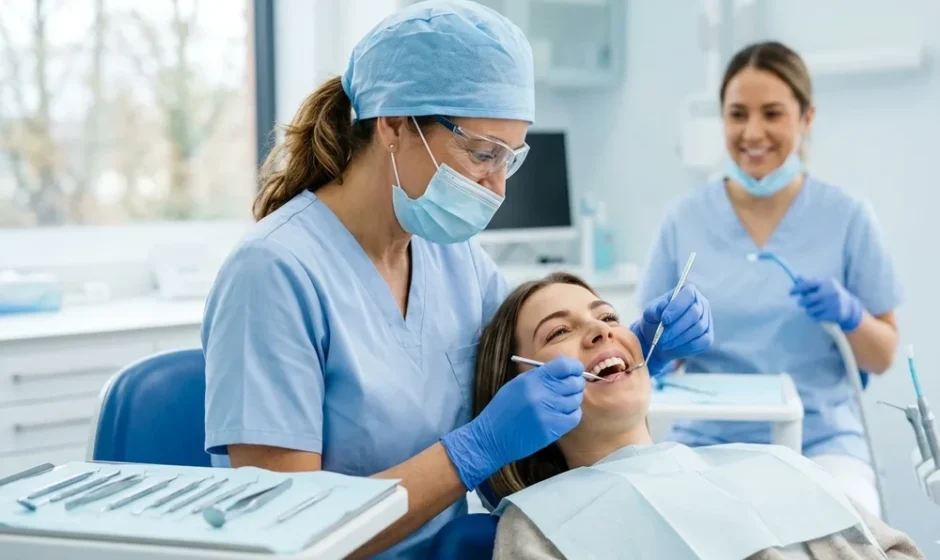

You made it through the appointment, and now the part nobody talks about enough begins. Your mouth may feel numb, your body may feel heavy, and even simple things like drinking water or answering a text can seem harder than usual. That foggy, off-balance feeling is common after sedation. Recovery usually goes smoothly, but the first several hours matter. Rest, hydration, safe eating, and close attention to your dentist’s instructions can make the difference between a calm recovery and a rough night. If you received care such as Echo Ridge Dental implants in Green Bay, these recovery steps are especially important.
If you had care from a general and implant dentist, you may also be dealing with soreness from a filling, extraction, implant placement, or another procedure layered on top of the sedation itself. That can make it hard to tell what is normal and what needs attention. The good news is that most people recover well when they slow down, protect the treatment area, and avoid pushing through the day as if nothing happened.
Sedation dental treatment recovery starts with slowing down
The first tip is the hardest for busy people. Go home and rest. Do not plan errands, meetings, childcare pickups, or a workout after sedation. Even if you feel “mostly fine,” your judgment, balance, and reaction time may still be reduced for hours. The American Dental Association’s guidance on anesthesia and sedation explains that sedation affects awareness and coordination, which is why driving yourself home is not safe.
This is where people get into trouble. You think you can answer emails from the couch, then you stand up too fast, feel dizzy, and realize your body is not caught up with your plans. Rest in a safe place, keep your head slightly elevated, and have a responsible adult stay with you if your dentist recommended it.
Eating and drinking too soon can make recovery harder
Tip two is simple. Start with water, then move to soft foods when you are fully awake and your stomach feels settled. Sedation can leave you a little nauseated, and numbness can make chewing risky. You do not want to bite your cheek, tongue, or lip without realizing it.
Good first choices include yogurt, applesauce, soup that is warm rather than hot, mashed potatoes, scrambled eggs, or smoothies eaten with a spoon if suction needs to be avoided. Skip alcohol, very hot drinks, crunchy foods, and anything spicy if your mouth is sore. If implants or extractions were involved, your dentist may want you to avoid straws or vigorous rinsing for a period of time. Follow those instructions closely because dislodging a blood clot or irritating a surgical site can delay healing.
For more procedure-specific guidance, Harvard School of Dental Medicine’s post procedure dental care instructions offer helpful examples of what to expect after common dental treatments.
Pain control works better when you stay ahead of it
Tip three is to use medications exactly as directed. Once the sedation wears off, soreness can arrive quickly. If your dentist told you to take an over the counter pain reliever or prescribed medication, do not wait until discomfort is strong. Taking it on schedule during the first day often keeps pain more manageable than trying to catch up later.
If you were given antibiotics, finish them exactly as prescribed. If you have questions about medication timing, interactions, or side effects, call the office instead of guessing. This matters even more if you are recovering after implant work, because swelling and tenderness can be normal, but uncontrolled pain or worsening symptoms should be checked.
Bleeding, swelling, and numbness need close attention
Tip four is to know what is expected. Mild oozing, some swelling, and lingering numbness for a few hours can be normal after many procedures. Heavy bleeding that soaks gauze repeatedly, swelling that keeps increasing after the first couple of days, fever, trouble breathing, chest pain, or vomiting that does not stop are not normal. Those need prompt care.
The MedlinePlus recovery information after sedation also notes that drowsiness, poor balance, and sleepiness can continue for a while, which is why supervision and rest matter so much on the day of treatment.
Oral hygiene still matters after sedation dentistry
Tip five is to keep your mouth clean without being rough. Many people avoid brushing because they are afraid of hurting the area. That can backfire. Plaque and food debris can irritate the mouth and slow healing. Brush the untreated areas as normal, and clean near the treatment site only as your dentist instructed. Gentle rinsing may be allowed after a certain point, but timing matters. If you had surgery, the rules can be different than after a routine filling.
This is one of the most overlooked parts of sedation dentistry aftercare. A clean mouth usually heals better than one left untouched out of fear.
Your first 24 hours after dental sedation set the tone
Tip six is to protect the first day. Do not smoke. Do not drink alcohol. Do not sign important documents, cook on the stove alone, use machinery, or make major decisions while you are still groggy. If your child had sedation, watch for unusual sleepiness, trouble drinking, or behavior that seems off beyond the expected recovery window.
| Recovery area | What helps | What to avoid |
|---|---|---|
| Rest | Quiet room, adult supervision, limited activity | Driving, work, exercise, stairs without care |
| Food and drink | Water, soft foods, small amounts at first | Hot drinks, alcohol, crunchy foods, straws if restricted |
| Pain and swelling | Use medication as directed, ice if advised | Waiting until pain gets strong, taking extra doses |
| Oral care | Gentle brushing, follow site specific instructions | Scrubbing the area, forceful rinsing too early |
| Warning signs | Call if symptoms worsen or seem unusual | Ignoring heavy bleeding, fever, breathing problems |
Three steps you can take right away after sedation dental care
Set up your recovery space. Put water, gauze, medications, a pillow, and soft foods within easy reach before you lie down. The less you need to move around, the easier recovery feels.
Use a simple written schedule. Write down when you took medication, when to change gauze if needed, and when you can eat or brush. Grogginess makes it easy to forget details, especially during recovery after dental sedation.
Save the office number and watch for changes. Mild discomfort is common. Symptoms that intensify instead of easing deserve a call. If you had treatment from a general and implant dentist, ask specifically what is normal for your procedure because implant recovery can differ from routine dental work.
Careful recovery supports better healing
The best approach is not complicated. Rest longer than you think you need to, drink water, eat soft foods, take medications as directed, and protect the treatment site. Those small choices add up. If something feels off, trust that instinct and call your dental office. Good aftercare for dental sedation is not about being perfect. It is about giving your body a calm, safe window to heal after dental treatment.